Zero-Proof Cocktails: A Complete Guide to Flavor Reconstruction, Body Substitutes and Alcohol-Free Technique
Zero-Proof Cocktails: A Complete Guide to Flavor Reconstruction, Body Substitutes and Alcohol-Free Technique
Zero-proof cocktails (also called mocktails) are long past being a make-do mix of juice and soda. Driven by the sober-curious movement and by genuinely good non-alcoholic spirits, they have become a craft every bartender must master in its own right. The real difficulty is not removing the alcohol but replacing the many jobs alcohol quietly performed - it was the solvent for aroma, the skeleton of body, and the source of warmth and preservation. Professional zero-proof mixing rebuilds that missing skeleton out of acid, bitterness, sweetness, savouriness, texture and aroma.
I. First Understand What Alcohol Was Doing
To rebuild, you must know exactly what you have removed. Alcohol plays at least four roles in a cocktail. First, it is a solvent and aroma carrier: a great many flavor molecules dissolve only in ethanol, and as the alcohol volatilises it lifts those aromas into the nose, producing that heady perfume. Second, it supplies body and viscosity: ethanol adds a faint thickness and cling so the drink is not as thin as water. Third, it delivers warmth and bite: that heat and grip at the back of the throat is a structural sensation neither sweetness nor acidity can reproduce alone. Fourth, it preserves and stabilises. Remove the alcohol and you pull out three pillars at once - aroma, body and bite - which is precisely why most poor zero-proof drinks taste flat, cloying and short. Naming this is what gives the reconstruction a target.
II. The Three Families of Non-Alcoholic Spirits
Commercial non-alcoholic bases fall into three families. The first is dealcoholised: wine or beer is fermented normally, then the ethanol is removed by low-temperature vacuum distillation or reverse osmosis, retaining much of the raw-material character but often tasting a little hollow afterwards, so body must be added back. The second is distilled botanicals: as with gin, juniper, citrus peel and spices are distilled into a water-based aromatic that contains no alcohol to begin with - vivid in aroma but lacking fermented depth. The third is fermented or infused bases: kombucha, drinking vinegars (shrubs), fermented teas, cold brews and broths, which simulate complexity through acidity, tannin and microbial metabolites. Professional work usually blends all three - a botanical distillate sets the aromatic spine, a fermented base adds layers and acidity, and a dealcoholised wine or glycerol rounds out the body.
III. Rebuilding the Flavor Skeleton: Acid, Bitter, Sweet, Savoury and Body
Balance in a zero-proof drink is achieved by the five tastes working with texture. Acidity is the spine - sourced from citrus, verjus, blended malic and citric acid, and shrubs - and it must be generous, or the whole drink turns dull. Bitterness is the frame: non-alcoholic bitters, tannic black tea and oolong, gentian and bitter-orange infusions supply an adult edge that stands in for alcohol's bite. Sweetness should be restrained - syrup, honey or agave stitches acid and bitter together, but too much instantly exposes the hollowness of having no alcohol. Umami and salt are chronically underrated: a small pinch of salt or a few drops of saline solution dramatically amplifies aroma and pulls out layers. Body is the most important and most neglected element - glycerol, 2:1 rich syrup, a trace of xanthan gum, and the natural viscosity of tea and fermented liquid all restore ethanol's thickness and give the drink weight on the palate.
IV. Techniques for Boosting Aroma and Texture
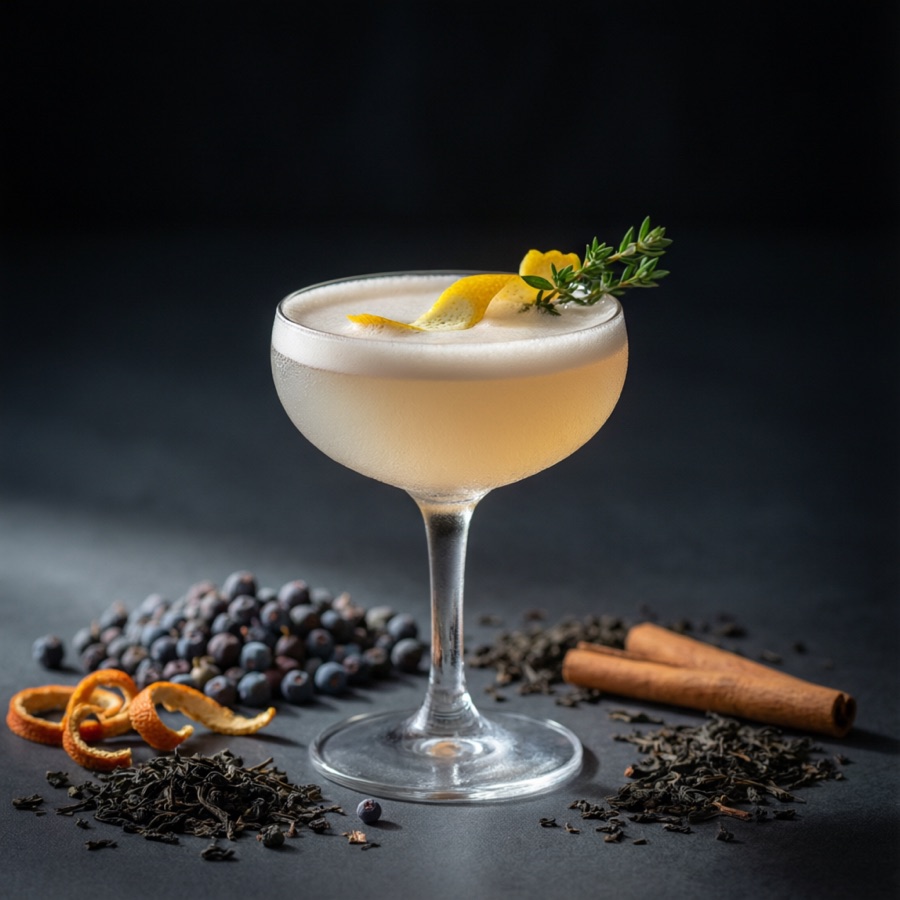
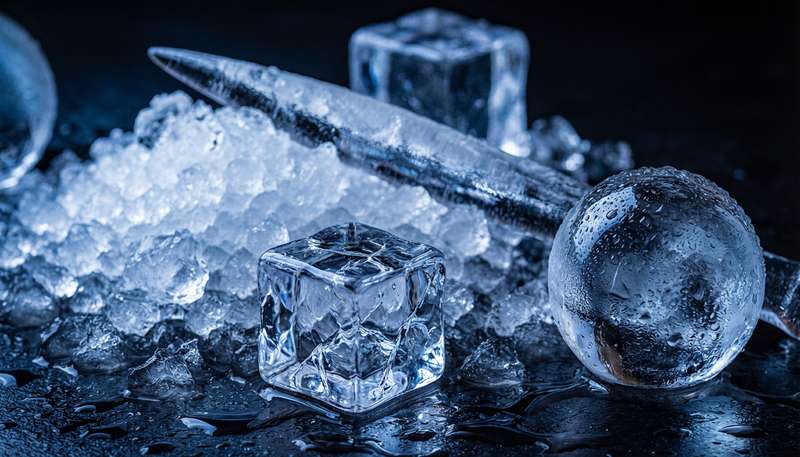
Having lost alcohol as the aroma carrier, you must add fragrance deliberately. The toolkit includes expressing citrus peel oils over the rim and the surface to release essential oils; cold-brewing or hot-infusing tea, herbs and spices to extract aromatics; fat-washing (cocoa butter, nut oils) into a non-alcoholic base to plant a rounded, oily richness; dry-shaking egg white or aquafaba to build a dense foam that traps aroma; and charging with carbon dioxide so the bubbles keep carrying volatile aromatics into the nose. Temperature and dilution matter just as much: a zero-proof drink lacks alcohol's resistance to dilution, so meltwater flattens flavor faster - use large ice, control stirring time, or raise the overall concentration of the recipe by ten to twenty percent to compensate.
V. Common Pitfalls and a Reusable Structure
There are four classic mistakes: treating a zero-proof drink as juice, leaving it sweet with no acid or bitter; masking the emptiness with sugar until it turns cloying; neglecting body so the result tastes like spiced water; and copying the ratios of an alcoholic recipe while forgetting that flavor concentration must be recalibrated. A reliable starting structure is "2 parts non-alcoholic base + 1 part acid + 0.5 part sweet + a few dashes of bitters + body and bubbles": for instance, a non-alcoholic gin botanical as the base, with fresh lemon juice, a little honey syrup and non-alcoholic bitters, glycerol for body, finished with soda water or a dealcoholised sparkling wine. Use that as the frame and micro-adjust along the acid-sweet-bitter triangle until the entry has layers, the middle has weight and the finish is clean rather than sweet.
Conclusion: From Deficit to Freedom
The ultimate goal of zero-proof mixing is not to imitate some specific alcoholic drink, but to make a glass that is complete, delicious and worth ordering on its own terms. Once you have thought through each of the six elements - acid, bitter, sweet, savoury, body and aroma - and combined them into balance, the absence of alcohol stops being a defect and becomes a freedom: it lets you control flavor more precisely, and it gives non-drinkers, for the first time at the bar, a glass of their own that is taken seriously.
More tips
274 cocktail recipes, one tap away
Browse by base spirit, flavor and strength. Save your favorites.
Open MixMyth