The Complete Guide to Tonic Water: Quinine, Sweetness and Fizz
The Complete Guide to Tonic Water: Quinine, Sweetness and Fizz
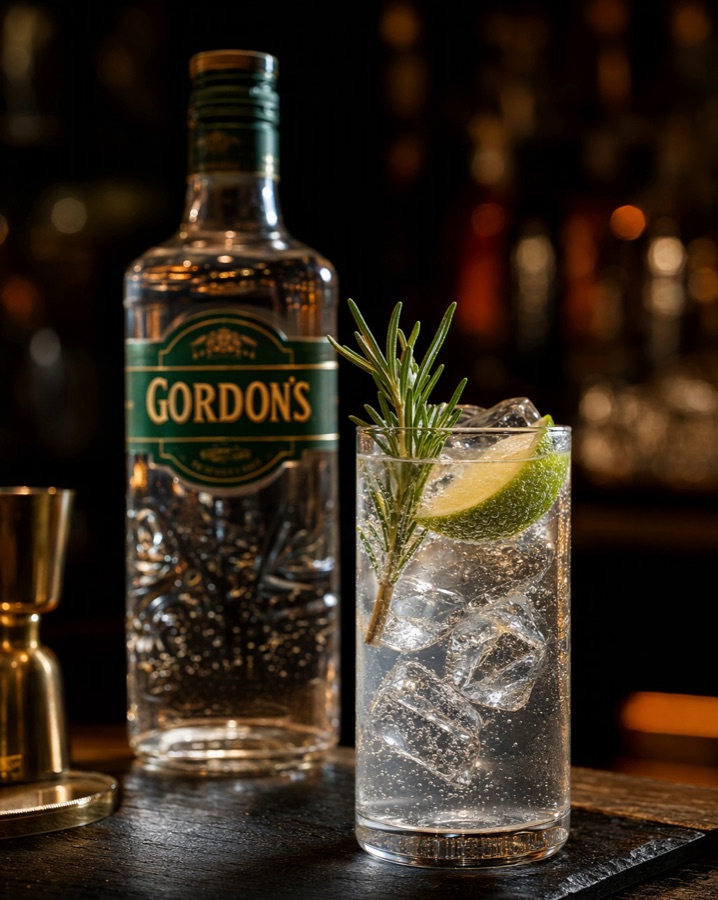
The gin and tonic ranks among the most-ordered cocktails on earth, and tonic water makes up roughly 70% of its volume. Most home bartenders agonize over a gin bottle for hours, then grab whatever tonic is cheapest — and drown the juniper in sugar water. Tonic is not a neutral filler; it has its own architecture: quinine bitterness, sugar, citrus spice, and carbonic sharpness. This guide builds a selection and pairing logic from the ingredient up.
Quinine: The Source and the Legal Boundary
The soul of tonic is quinine, extracted from cinchona bark. Nineteenth-century colonial officers in British India dissolved antimalarial quinine powder in sugar and soda to make it swallowable — the prototype of the G&T. Modern drinks cap quinine at under 83 mg per liter: far below medicinal dose, yet enough to supply the signature bitter frame. That bitterness is what separates tonic from plain soda water: soda offers only carbonation and minerals, while quinine's bitterness resonates with gin's juniper and contrasts with tequila's vegetal heat. Use soda in a G&T and the drink loses an entire structural layer.
The Sweetness Spectrum: Indian, Mediterranean, Craft
Commercial tonics fall into three broad styles. Traditional Indian tonic carries 8–10 g of sugar per 100 ml, orange and spice notes, and forceful fizz — the closest descendant of the Victorian formula and the classic partner of London dry gin. Mediterranean tonic runs below 5 g, scented with rosemary, bay and lemongrass, tasting dry — a match for floral New World gins. Craft tonic, made with real sugar, natural quinine extract and low-temperature botanicals, delivers rounder bitterness and finer bubbles at triple the price, a difference that shows clearly beside aged or barrel-rested gins. The first rule of pairing: the gin's flavor intensity sets the tonic's sweetness ceiling — the lighter the gin, the drier the tonic must be, or each erases the other.
Fizz Quality: Packaging and Freshness
Tonic is force-carbonated, and bubble quality is dictated by package and freshness. Glass bottles hold pressure best, dissolving fine, persistent carbonation; cans follow; PET bottles perform worst — CO2 slowly permeates the plastic, and a three-month-old warm plastic bottle has lost nearly half its charge. Whatever the format, once opened the bubbles decay by the hour; drinking half a large bottle today and the rest tomorrow means half a flat drink. Practical home-bar advice: buy single-serve 150–200 ml cans, one can per drink, always fresh. Temperature discipline follows carbonation physics: chill tonic to about 4°C before pouring — every degree warmer multiplies gas loss and agitation waste.
Pouring and Ratio: Technique for Carbonated Drinks
The standard G&T runs 30–50 ml of gin against 100–150 ml of tonic over a fully iced glass. The most common error is a direct splash pour: tonic is exquisitely shock-sensitive, and a straight dump expels volumes of CO2 before the glass reaches your lips. Pour in two moves — gin first, letting it coat the ice, then tonic poured slowly along the wall or over the back of a bar spoon, keeping the surface calm. Lift a bar spoon once or twice from bottom to top and stop: the goal is blending, not stirring, and every extra turn shortens the fizz. Garnish with the same restraint — a lightly squeezed lime wedge preserves the sweet-tart balance, while an expressed orange peel suits barrel-aged gin.
Extending the Logic Across the Highball Family
The tonic selection logic transfers across the highball family: a Dark 'n' Stormy's ginger beer must have enough ginger heat and sugar to stand up to dark rum's caramel; a Paloma's grapefruit soda must match tequila's bitterness. The principle holds — the carbonated mixer is most of the drink's volume and nearly all of its textural frame, so its parameters are the drink's parameters. Retire the "mixer doesn't matter" reflex and every highball's floor rises a full notch — which is exactly why professional bar manuals list tonic brands and opening procedures beside the gin itself.
More tips
356 cocktail recipes, one tap away
Browse by base spirit, flavor and strength. Save your favorites.
Open MixMyth