The Tiki School: Rum Blending, Exotic Syrups and the Polynesian Fantasy
The Tiki School: Rum Blending, Exotic Syrups and the Polynesian Fantasy
Tiki cocktails are the gorgeous taste-dream of mid-century American bartending. Borrowing Polynesian totems, bamboo shadows and grass-skirt imagery, they blend rum, tropical juice and house-made syrups into a glass of escapism. To understand Tiki is not to memorize the Mai Tai or the Zombie, but to read the three logics underneath: the philosophy of rum blending, the flavour engineering of syrups, and a scene-first approach to the drink. These three logics interlock into a self-consistent school, and they explain why Tiki keeps being studied by serious bartenders long after the kitsch faded.
Rum Blending: A Choir in One Glass
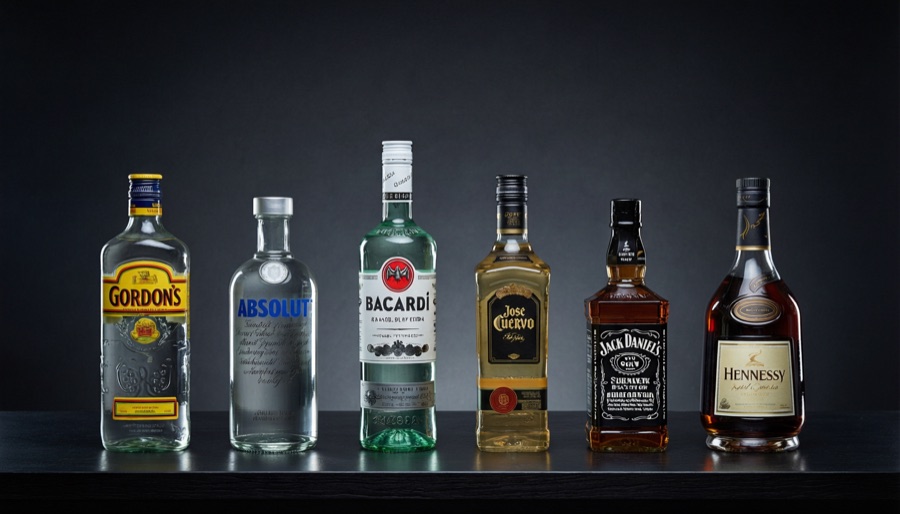
Rum is Tiki's foundation, yet almost never a single vintage or origin. Donn Beach's habit was to layer Jamaican high-ester rum, Martinique agricole and light Puerto Rican rum in proportion: the heavy body supplies backbone and finish, the light body lifts the aroma, the mid-weight fills the middle, like a choir in which every voice has its part. This is the opposite of single-malt whisky's pursuit of purity; Tiki wants composite depth, multiple rums accomplishing each other in the glass. At home you need not collect them all - a bottle of aged dark rum plus a bottle of white rum forms a base duet, with a splash of high-ester rum for lift, recovering most of the spirit. The key is the word "blend": rum is not one ingredient but a section you can conduct.
Exotic Syrups: The Secret of Flavour Engineering
The real variable in a Tiki recipe is the syrup. Orgeat lends nutty, floral roundness; falernum contributes spice and a whisper of bitterness; passion-fruit syrup carries acidity and tropical fruit. They are not sweeteners but structural members, filling the flavour gap between rum and citrus so the drink holds tension across sour, sweet, spice and fruit without collapsing. When making orgeat, control the almond dose and add a few drops of orange-flower water, or it turns bitter and cloying; keep syrup at two-to-one, refrigerated, used within a week. Master these three syrups and you hold the key to Tiki's flavour engineering - and you understand why the same Mai Tai tastes so different across bars: the gap is rarely the rum, it is the syrup.
Scene First: From Vessel to Ritual
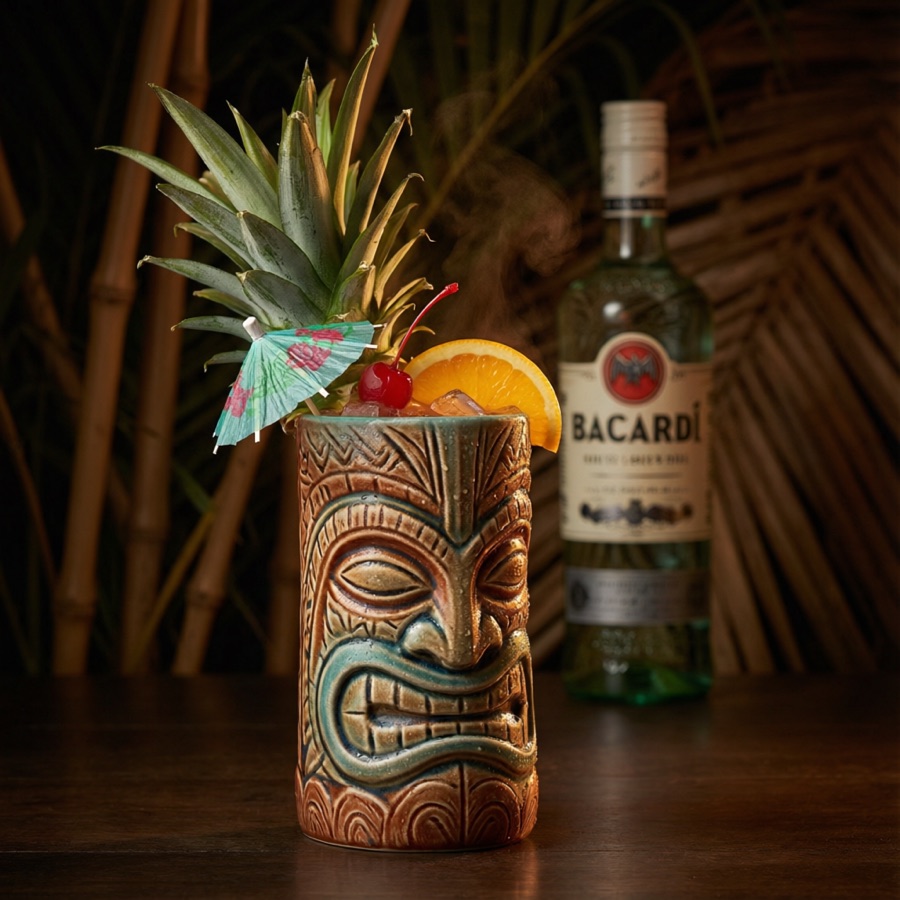
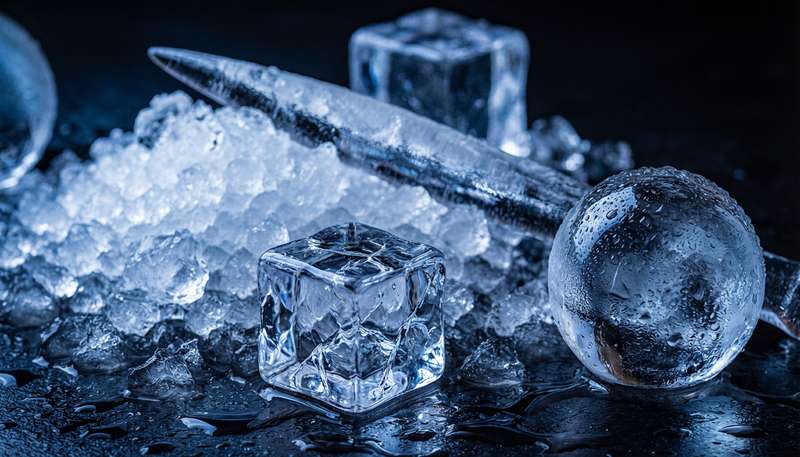
Tiki is one of the few schools where the vessel is the content. Carved totem mugs, bamboo picks, paper parasols and pineapple fronds are not gimmicks; they turn drinking into a miniature theatre, letting the eye set expectation before the tongue arrives. Ice matters just as much: crushed ice chills and dilutes fast, suiting short drinks and shaken pours that need a fluffy texture; a tall spear melts slowly and holds a long drink's strength. Bartenders often shake briefly with plenty of crushed ice, chilling rapidly while folding in measured dilution and air - the source of Tiki's signature fluffiness. The scene-first logic reminds us a cocktail is never only liquid but a designed experience, in which glass, ice and garnish are part of the recipe.
Two Founders and the Modern Revival
Tiki has two founding figures: Donn Beach of Los Angeles and Trader Vic of San Francisco. They quarrelled for decades over who invented the Mai Tai, and each left a recipe system - Beach favouring layered syrups and stacked bitters in complex structures, Vic stressing the rum's own character and cleaner balance. By the late twentieth century Tiki had been written off as tacky tourist kitsch, its recipes diluted by pre-mix concentrates and cheap rum, until early-this-century bartenders returned to the original manuscripts and replaced industrial concentrates with fresh juice and house syrups, reviving the school as craft Tiki. Today Tiki is both nostalgia and a serious craft of balance and imagination, proof that commercial popularity and artisanal depth can coexist.
A Practical Path for the Home Bar
To recreate Tiki at home, start with three moves: stock two or three complementary rums, make your own orgeat and passion-fruit syrup, and invest in a totem mug plus a crushed-ice mould. Begin with the Mai Tai or the Zombie and measure strictly rather than eyeballing, because Tiki's balance depends heavily on proportion - five extra millilitres of syrup can slide a drink from layered to cloying. Shake about ten seconds with crushed ice, strain over fresh crushed ice, then finish the ritual with a pineapple frond and a parasol. The first time you taste a Mai Tai of your own making that is layered yet not sweet, you will see that Tiki is no cheap sugar bomb but a long-underestimated discipline of flavour engineering.
More tips
274 cocktail recipes, one tap away
Browse by base spirit, flavor and strength. Save your favorites.
Open MixMyth