The Spritz Family Deconstructed: The Ratio Formula of Bitter, Sparkling Wine and Soda
The Spritz Family Deconstructed: The Ratio Formula of Bitter, Sparkling Wine and Soda
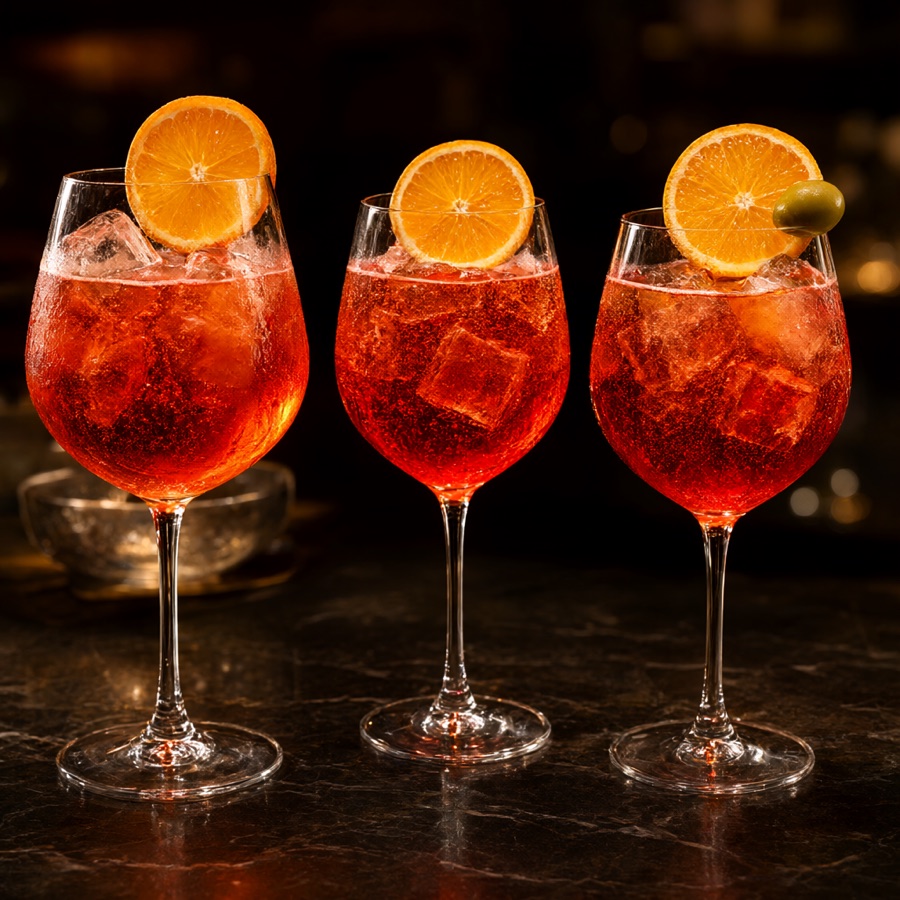
The spritz is arguably the most widely travelled aperitif of our time: an orange-red or pink sparkling drink with an orange slice and an olive, present on terraces and at aperitivo hour all over the world. Its appeal lies not in complexity but in an extremely stable three-part structure — bitter, sparkling wine and soda. Understand the ratio logic of these three and you can swap freely among Aperol, Campari, Select and Cynar, and you can tell whether a spritz is "built right". More importantly, the spritz is the best entry point for understanding low-ABV long drinks as a whole: it puts dilution, carbonation and sweet-bitter balance in the same glass and forces you to get each one right.
1. Etymology and Origin: Venice's Austrian Inheritance
"Spritz" comes from the German "spritzen", meaning to spray or splash. The name points to its birthplace: under Habsburg rule in the Veneto, Austrians found the local white wines too strong and asked the barman to "spritz" them — to dilute a glass with soda water. By the mid-twentieth century, taverns in Venice and Padua began adding bitter liqueur and sparkling wine to that diluted glass, and the spritz took its modern form. At its root it is a social drink designed to lower strength and stretch drinking time; low ABV is not a flaw but the design goal. Once you grasp that origin, you will not make the directional error of trying to build a "strong" spritz.
2. The Golden Ratio: 3-2-1 and Its Variants
The most quoted formula is "3-2-1": three parts prosecco, two parts bitter, one part soda. It yields roughly 8 to 11 percent ABV, a clear sweet-bitter balance and generous carbonation. It is not iron law. Bitter-lovers push the bitter to parity with the sparkling wine; with a high-bitterness liqueur like Campari the bitter usually drops to one and a half parts or even one, or it turns harsh; the local versions of the north-east add almost no syrup, relying on the bitter's own sweetness. Treat the ratio as a starting point, not an endpoint — the real target is that bitterness, sweetness, acidity and bubbles never overpower one another. A practical calibration is to build a small 3-2-1 tasting pour first, then nudge toward bitter or sweet, rather than guessing in one shot.
3. The Family Tree: From Select to Aperol, and the Bitter-Free Branches
What Venetians actually recognise is Select — a local product more bitter than Aperol, leaning toward rhubarb and orange peel, properly served with a green olive. Aperol became the global default through higher sweetness, a photogenic colour and strong distribution. The Campari version is more bitter and redder. A Cynar spritz brings an earthy, vegetal bitterness from artichoke liqueur. Then there are branches with no traditional bitter at all: the Hugo spritz uses elderflower syrup and mint for a floral, refreshing line; the Limoncello spritz leans on lemon liqueur for citrus. All share the same skeleton — liqueur plus sparkling wine plus soda plus citrus garnish — only swapping the bitter for a different flavouring lead. Know this tree and you can predict the flavour direction of any "something-spritz" on a menu at a glance.
4. Carbonation, Temperature and Dilution Control
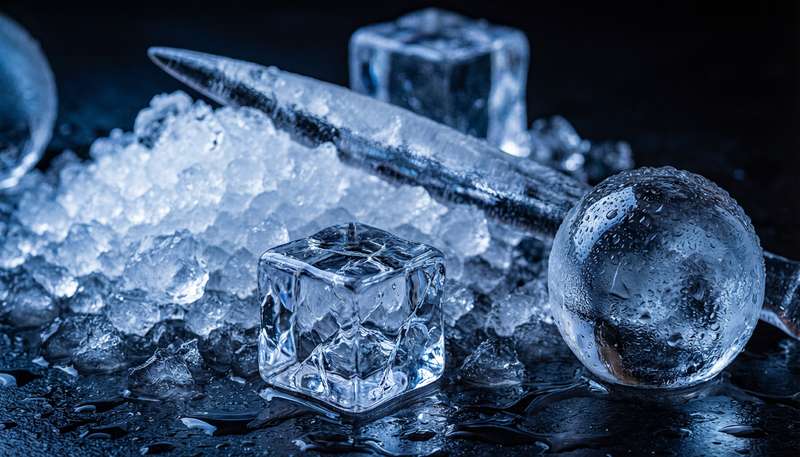
The soul of a spritz is bubbles and cold. Prosecco is the default sparkling wine: bright fruit, fine bubbles, friendly price. Champagne adds a stronger yeasty, bready note but costs more and hits harder with coarser carbonation. Every ingredient must be thoroughly chilled — warm sparkling wine sheds carbon dioxide the moment it enters the glass and the drink goes flat fast. Use a large-bowled wine glass, fill it with ice first, then pour in the order sparkling wine, bitter, soda, and finish with a single gentle lift from the bottom with a bar spoon so the colours marry naturally. Never stir hard and kill the bubbles. Ice should be large and plentiful so it melts slowly and dilutes little; serve and drink at once, because a spritz does not keep.
5. Boundaries with Highballs, Punches and Collinses
The spritz is often conflated with highballs and punches, but the boundaries are clear. A highball is "spirit plus a lot of soda" with no bitter segment and a simpler sweet-bitter structure. A punch is a batched or large-format composite, often carrying juice, tea and several spirits, with a looser structure. A collins is "spirit plus citrus plus sugar plus soda", shaken then lengthened, its acidity from fresh citrus rather than liqueur. The spritz's identifying feature is "liqueur (bitter or sweet) plus sparkling wine plus a little soda", where the sparkling wine is the body rather than a garnish, and it is usually built in the glass without shaking. Hold onto "sparkling wine as the body, liqueur setting the key, built in the glass" and you will not confuse it with a highball or a collins.
6. Common Mistakes
First, omitting the soda or swapping it for tonic: the former makes the body too rich and sweet, the latter sets quinine bitterness against the bitter liqueur. Second, over-stirring, which loses the carbonation and leaves the drink cloying. Third, garnish chaos — the classic spritz takes a half orange slice, the Venetian Select version a green olive, not a jumble of lemon and cherries. Fourth, ignoring sweetness differences between bitters: replacing Aperol with an equal measure of Campari without reducing the pour yields something too bitter to drink. Fifth, batching ahead and letting it sit, so bubbles and temperature both collapse. Avoid these five and a stable spritz takes thirty seconds.
More tips
322 cocktail recipes, one tap away
Browse by base spirit, flavor and strength. Save your favorites.
Open MixMyth