The Complete Guide to Sparkling Wine: Brut Classification, Regional Styles and Cocktail Pairing Logic
The Complete Guide to Sparkling Wine: Brut Classifications, Regional Styles and Cocktail Pairing Logic
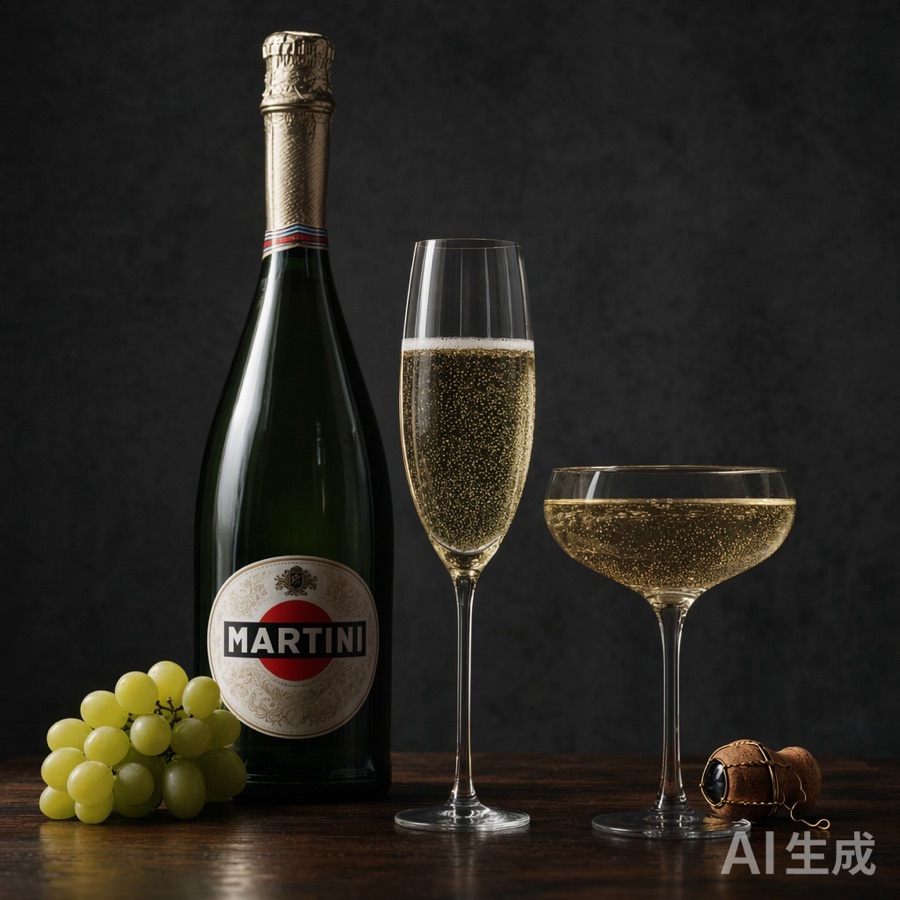
Sparkling wine is the only ingredient in the bar that comes with its own structure: it contributes liquid, acidity and carbon dioxide at once. The gap between a bottle of Brut and a Demi-Sec is enough to turn the same French 75 from crisp and precise into cloyingly sweet. Understanding dosage levels and regional styles is lesson one.
Dosage and the Brut Scale: Reading the Sweetness Coordinates on the Label
After the second fermentation ends, the winemaker adds a small measure of sugar and wine to the bottle — a step called dosage — which directly sets the sweetness coordinates of the finished wine. The internationally accepted scale, from driest to sweetest, runs: Brut Nature (0-3 g/L, virtually no dosage), Extra Brut (0-6 g/L), Brut (0-12 g/L), Extra Dry (12-17 g/L), Dry (17-32 g/L) and Demi-Sec (32-50 g/L). Beware that Extra Dry is in fact sweeter than Brut — a translation artifact that misleads many readers — and the "Dry" tier is not dry at all but a firmly off-dry band. For cocktails, Brut is the default: its low residual sugar will not disturb the recipe's own sugar-acid balance; Extra Dry only earns a place when deliberately building soft, fruit-forward sparkling drinks, while Demi-Sec is best kept for straight sipping with dessert. Beyond sweetness, dosage also cushions acidity's bite — the same base wine finished at different levels drinks noticeably differently, which is why one wine often ships in several dosage tiers.
Regional Styles: Champagne, Prosecco, Cava and Crémant
The four mainstream styles each have a personality. Champagne, built mainly on Chardonnay and Pinot Noir and aged on lees in the traditional method, offers brioche, bread and almond yeast autolysis aromas, high acidity, a tight structure and fine, persistent bubbles. Prosecco, made from Glera in the tank method, leads with green apple and white floral fruit, larger livelier bubbles and a softer mouthfeel. Cava favours Spanish indigenous varieties, sitting somewhere between the two with nutty, baked notes. Crémant spreads across French regions — Burgundy, the Loire and Alsace all bottle traditional-method versions of steady quality at roughly half the price of Champagne, making it the workhorse for cost-controlled commercial bars. For mixing: recipes demanding a sharp backbone and fine bead call for Champagne or Crémant; light, fruit-driven, soft-profile drinks belong to Prosecco; Cava suits bittersweet Spanish-leaning builds.
Cocktail Pairing Logic: Three Rules for Choosing a Bottle
Rule one, acidity alignment: when the recipe carries lemon juice or other high-acid components, choose high-acid Champagne so the acids reinforce each other; when fruit juice or liqueur dominates, reach for the softer Prosecco to avoid stacking sourness awkwardly. Rule two, the sugar budget: treat Brut as a zero-sugar ingredient in your calculations — if you step up to Extra Dry or above, cut the syrup or liqueur accordingly or the drink loses control. Rule three, aromatic hierarchy: yeast-driven baked notes amplify herbal bitterness, so traditional-method bottles pair best with bitters-led Spritz builds; floral-fruity recipes should leave the stage to Prosecco. Classic recipes make the logic concrete: in a French 75, the lemon juice's sharpness needs Champagne's high acid to hold it up — swap in Prosecco and the drink goes soft and vague; in a peach-purée Bellini, Prosecco's green-apple lift supports the fruit far better than Champagne's yeast notes. As for vintage Champagne and prestige cuvées, the base spirit will simply bury their finesse — mix with non-vintage entry bottles and save the good stuff for drinking straight.
Temperature, Pouring and Bubble Discipline
Serve sparkling wine at 6-8°C: colder mutes the aromatics, warmer makes the bubbles coarse and unruly. Pour slowly down the tilted glass wall or over a bar spoon's back to preserve carbonation; the flute's narrow mouth and small surface area exist precisely to slow CO2 escape, while the coupe, elegant as it looks, loses gas faster and suits short, quick-drinking serves. Once opened, seal with a proper stopper and refrigerate — within 24 hours the decline is modest, past two days the palate goes flabby and the bottle leaves the bar. The shaker and sparkling wine are mutually exclusive: every sparkling recipe processes its base first and adds the fizz last.
Common Pitfalls Summarised
Pitfall one: pairing off-dry sparkling with a sugared recipe for cloying results — keep Brut as the default coordinate. Pitfall two: pre-mixing sparkling wine with the base and letting it sit, killing the bubbles and the temperature — always build to order. Pitfall three: swirling the bottle itself to "stir", collapsing the bubble structure through secondary agitation. Pitfall four: ignoring the label and misreading Extra Dry as "extra dry". Avoid these four and sparkling wine will hold professional-grade consistency behind your bar.
More tips
356 cocktail recipes, one tap away
Browse by base spirit, flavor and strength. Save your favorites.
Open MixMyth