Mouthfeel and Body: The Complete Guide to Cocktail Texture
Mouthfeel and Body: The Third Dimension Beyond Flavor
Bartenders discuss a recipe by starting with sweet, sour and bitter, then aroma, yet they often skip the dimension the body remembers most: mouthfeel and body. The same formula can taste "watery" in one pair of hands and "round and coating" in another, and the difference usually lies not in the ratios but in texture. Body is the weight and viscosity a liquid carries in the mouth; mouthfeel is the finer tactile layer - silkiness, creaminess, astringency, oiliness, the prick of bubbles and the grip of temperature. Taste and aroma decide whether a drink is pleasant; body decides whether it feels refined.
1. Where Body Comes From: Four Sources of Viscosity
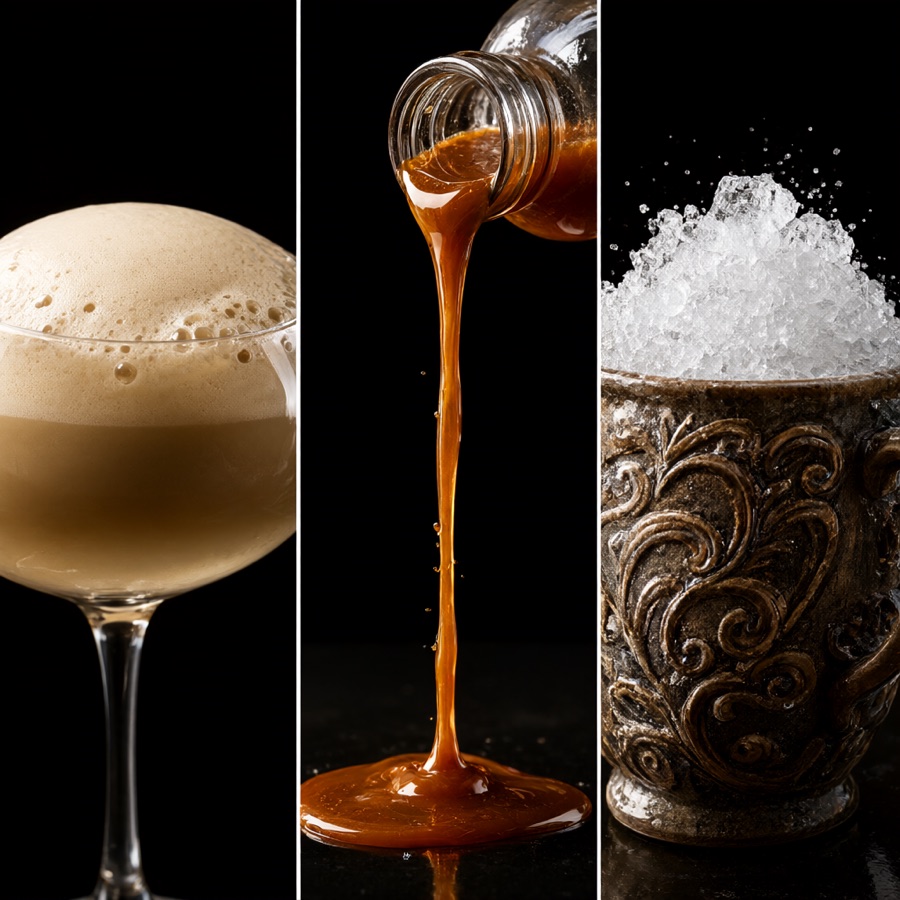
The physical basis of body is viscosity. The first source is sugar: sucrose solutions thicken as concentration rises, and the gap between a 1:1 simple syrup and a 2:1 rich syrup is clearly felt, while the sweetener's own molecular structure also affects how it coats the palate. The second is glycerin and polyols: as little as 0.5-1 ml per glass lifts silkiness and the way the drink clings to the glass, making glycerin a modern bar's invisible thickener - though too much turns a drink dull. The third is fat and emulsified matter: the oils and suspended particles in cream, coconut milk, condensed milk and nut syrups deliver a heavy, creamy weight, and whether the emulsion is stable decides whether the texture holds. The fourth is air: egg white or aquafaba, dry-shaken into a protein foam, traps bubbles and gives the drink a dense, voluminous feel. Understanding these four sources moves you from guessing to deliberately designing thickness.
2. Dilution and Temperature: The Underestimated Levers
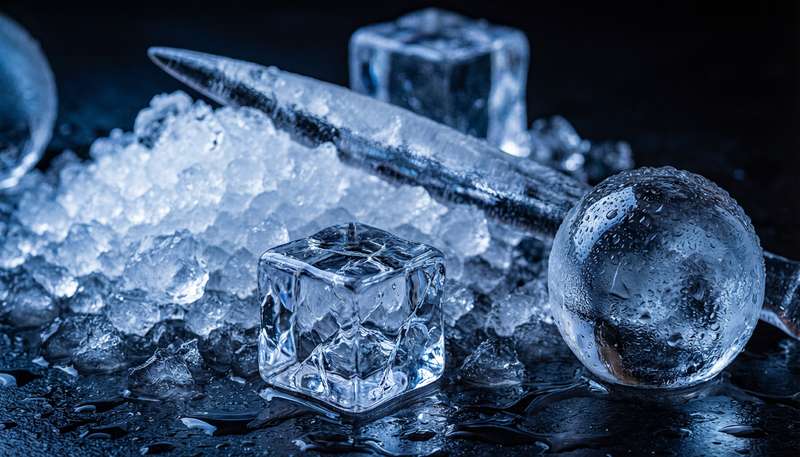
Dilution is not merely adding water to lower strength; it simultaneously changes viscosity and sharpness. The water introduced by stirring or shaking decides whether a drink reads silky or thin: over-shaking dilutes a high-viscosity formula into wateriness, while under-shaking leaves it syrupy and cloying. Temperature is the other dominant variable - the colder the drink, the more muted the taste and the denser the texture, which is why stirred spirit-forward cocktails use large ice and slow stirring while shaken juice-driven drinks are shaken hard and fast. The choice of crushed versus whole ice matters too: crushed ice melts and chills quickly, suiting blended and swizzled drinks that want a slushy body; large ice melts slowly and preserves the viscosity and structure of a stirred drink. Whether the glass is chilled and whether the ice carries surface water quietly shift the result at this layer.
3. Carbonation and Foam: Engineering Lightness
Carbonation bursts on the tongue, amplifying acid and bitterness while stripping weight, which is why spritzes, fizzes and highballs feel naturally light and refreshing. To make a drink feel heavier, control the carbonation: cut the soda, avoid over-shaking air into the mix, or switch to stirring. Conversely, chase freshness by deliberately adding carbonation and full dilution. Foam is the other route: a protein foam delivers a silky "first sip", letting a sour feel smooth on entry before the true weight of the body arrives; the fineness of the foam depends on dry-shake time, egg freshness and straining. Foam and carbonation, one soft and one sharp, are the two keys to lightness - used in the wrong direction they make a drink taste hollow or clumsy.
4. Writing Body Into a Recipe: Parameters and Pitfalls
A practical checklist for adding body: swap 1:1 syrup for rich syrup; add 5-10 ml of egg white or aquafaba and dry-shake; drop in 2-3 drops of glycerin for silk; add roughly 0.5 ml of 20% saline so the drink reads rounder rather than saltier; choose high-ester rum or aged spirits for oily weight. A checklist for removing body (chasing freshness): dilute fully, introduce carbonation, clarify to strip suspended solids, lower sugar concentration, and serve in a highball to stretch the liquid. Four common mistakes: treating "sweet" as "thick" and ending up cloying; over-shaking until the body collapses; under-emulsifying fat so creamy formulas separate and feel coarse; and ignoring temperature, ruining a dense stirred drink with a warm glass or small, watery ice.
5. Calibrating in Practice: Lock the Target Texture With Side-by-Side Tasting
Body cannot be read off an instrument at a glance; the most reliable method is parallel comparison. Make two glasses of the same recipe - one diluted to standard, one deliberately shaken five seconds longer - let both settle to the same temperature, then taste them side by side and note the thickness across three phases: first sip, mid-palate and finish. A thin first sip usually means too much foam or carbonation; a watery mid-palate points to over-dilution or insufficient sugar; a cloying finish signals excess sugar or fat. Write these three impressions as short notes tied to the recipe parameters, and after a few rounds you will be able to predict texture before you even pick up the tin, with service consistency rising alongside. Body is the skeleton of a recipe and flavor its flesh - decide first whether you want a light drink or a heavy one, then let sugar, fat, air and carbonation serve that goal.
More tips

356 cocktail recipes, one tap away
Browse by base spirit, flavor and strength. Save your favorites.
Open MixMyth