The Home Substitution Handbook: Recreating Bar Flavors with Kitchen Staples
Before Substituting: Read the Flavor Skeleton of a Cocktail
Before reaching for a substitute, identify what each ingredient actually does in the glass. A cocktail's flavor skeleton is carried by four roles: sweeteners provide sweetness and body, liqueurs provide signature aroma and complexity, citrus provides acidity and lift, and bitters provide bitterness plus the aromatic bridge between everything else. Substitution is not about finding "a similar bottle" — it is about finding an ingredient that performs the same function. Get the function right and the drink stays on course; get it wrong and even an expensive stand-in fails.
Sweetener Swaps from the Kitchen
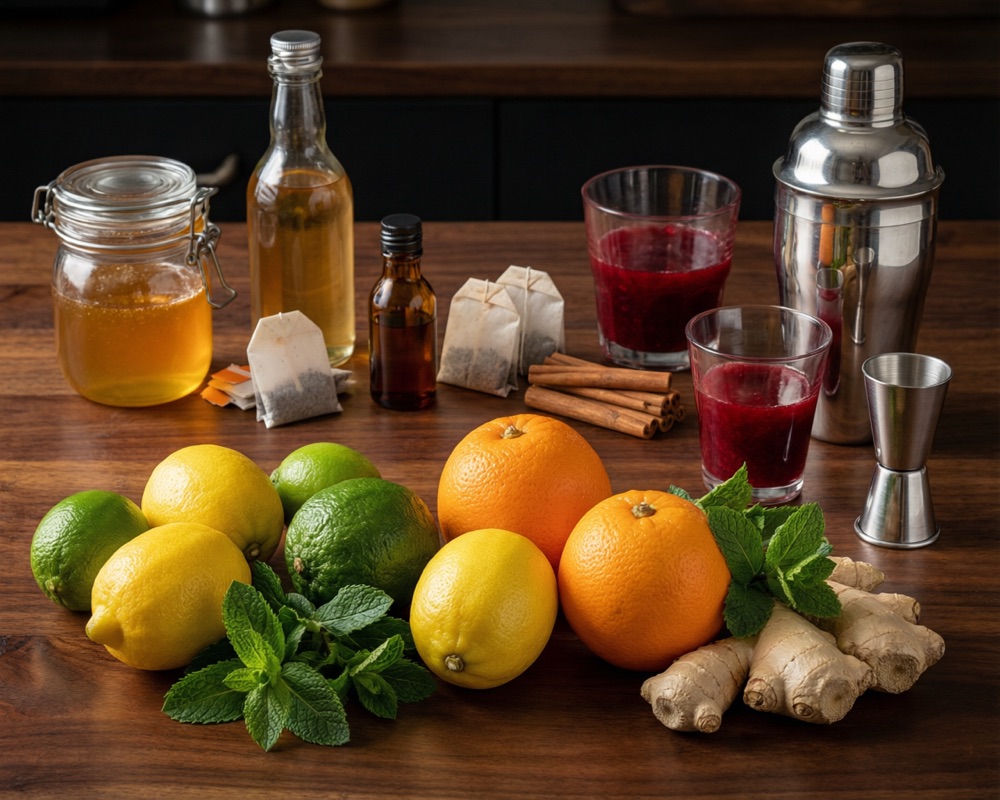
Simple syrup is the baseline sweetener: dissolve white sugar in hot water at a 1:1 weight ratio, cool, bottle, and it keeps for two weeks refrigerated. Honey should never go in straight — it seizes and sinks in cold liquid. Dilute it 2:1 with warm water into honey syrup first; its floral character suits a Whiskey Sour (/recipe/21/) or a hot toddy beautifully. Maple syrup replaces simple syrup measure for measure, adding caramel and wood notes that flatter any whiskey drink. A spoonful of jam loosened with hot water and strained can stand in for fruit sweeteners in a pinch, though you will need to taste and adjust sweetness on the spot.
Liqueur Swaps
For orange liqueur (Cointreau-style), the formula is "neutral spirit + orange peel aroma": infuse vodka with fresh orange zest for 24-48 hours, strain, and sweeten lightly. It fills the orange role in a Margarita (/recipe/3/), but with less aromatic sharpness — use about a third more. Almond liqueur swaps cleanly with store-bought almond milk drinks, which run sweet, so cut the sugar elsewhere. Coffee liqueur comes together from a shot of espresso sweetened and lengthened with a little vodka — enough to carry a Black Russian (/recipe/154/). Understand the limit: these swaps cover the aromatic function only. They cannot replicate a liqueur's texture or finish, and they perform noticeably better in shaken drinks than stirred ones.
Bitters and Acidity
Bitters act as the bridge of bitterness and herbal aroma. Without Angostura, express a strip of orange peel over the surface of the drink to deposit citrus oils, or steep a concentrated chamomile or dried-tangerine tea and add 3-5 drops — a workable herbal bitterness for structurally simple drinks like the Old Fashioned (/recipe/41/). Acidity, however, allows almost no substitution: limes and lemons must be squeezed fresh. Bottled juice is pasteurized and aged flat, its acidity dull and its aroma gone — the most common and most avoidable home-bar mistake.
Carbonation and Dilution Water
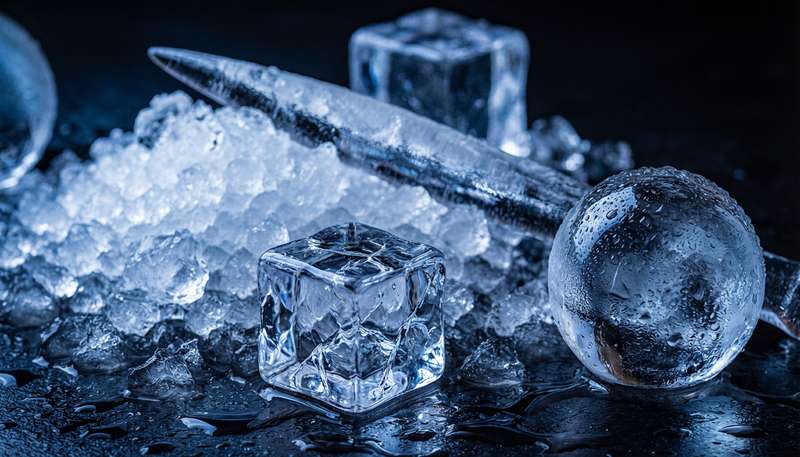
There is no credible homemade tonic or soda water; buy them. What genuinely matters is ice. Small freezer-cube ice melts fast and waters drinks down within seconds. Freeze one large block in a storage container, crack it into 3-4 cm cubes, and dilution during shaking and stirring becomes instantly controllable — a zero-cost upgrade that is criminally underrated.
The Boundary: When to Just Buy the Bottle
Substitutes solve occasional gaps, not permanent absences. Vermouth and Campari are built by processes nothing in a kitchen can imitate, and they are the protagonists of their drinks — a swap rewrites the drink's character. Buy them; an opened bottle of vermouth keeps 6-8 weeks refrigerated, making the per-drink cost trivial. The rule of thumb: when an ingredient makes up more than 15% of a recipe and nothing functionally similar exists, the bottle is always cheaper than the compromise.
Source: MixMyth mixmyth.com
More tips
274 cocktail recipes, one tap away
Browse by base spirit, flavor and strength. Save your favorites.
Open MixMyth