Fortified Wine Complete Guide: Sherry, Port & Madeira - Flavor Families and Cocktail Applications
Fortified Wine Complete Guide: Sherry, Port & Madeira - Flavor Families and Cocktail Applications
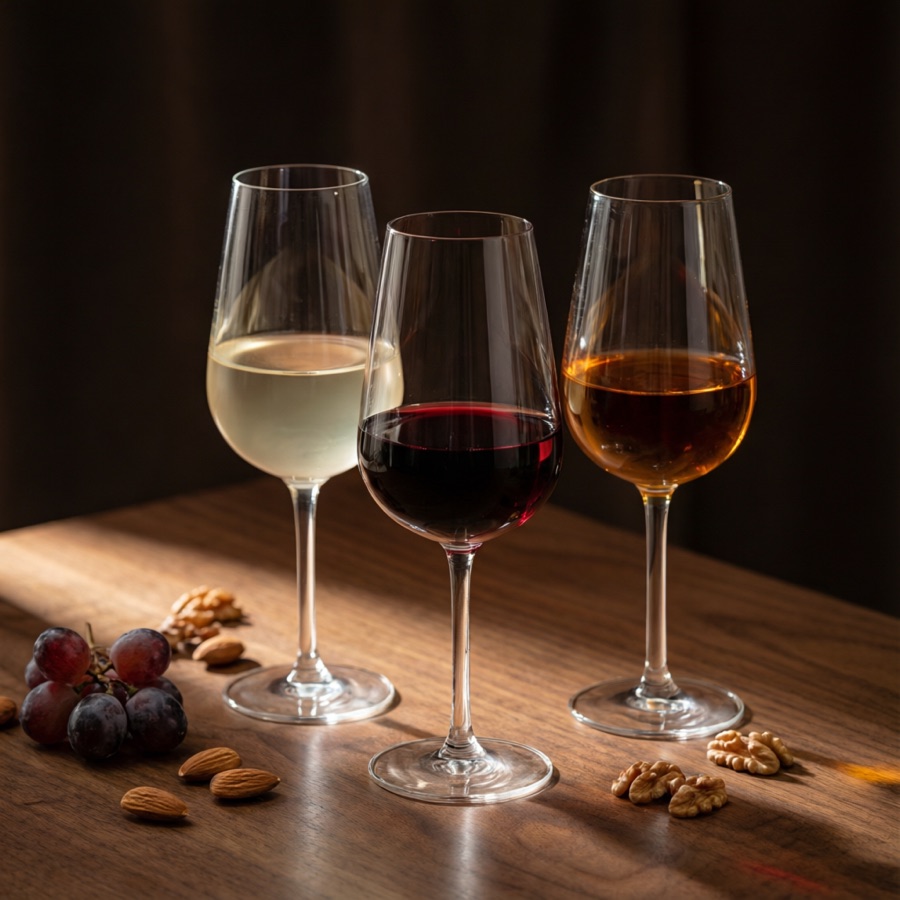
Beyond the six base spirits and the liqueur shelf sits a long-underestimated bar ingredient: fortified wine. Made by adding distilled spirit during or after fermentation and then aging oxidatively or reductively, fortified wines span a full spectrum from bone-dry to lusciously sweet, from fresh and saline to nutty and caramelized. For the bartender they are not a supporting act but a bridge between the acidity and fruit of wine and the body and structure of spirits. Mastering the three great families - sherry, port, and madeira - gives the bar its crucial middle-proof tier and opens new angles for reworking classic formulas.
What fortification does: arresting fermentation with an alcohol lever
Fortified wines typically sit between 15% and 22% ABV, between table wine and spirits. The core decision is when to fortify: adding spirit before fermentation finishes kills the yeast with high alcohol, leaving residual sugar and yielding sweet styles (port); fortifying after fermentation completes means the sugar is spent and the wine is dry (most sherry). Fortification sets not only sweetness but the aging path - the higher alcohol suppresses acetobacter and other microbes, letting the wine survive long oxidative aging without spoiling. This is also why an opened bottle outlives table wine yet should still be refrigerated and used within weeks: oxidative aroma is the source of its flavor, but over-oxidation still drains a dry style of its vitality.
Sherry: the oxidation spectrum from Fino to Oloroso
Sherry comes from Jerez, Spain, built on the Palomino grape and almost universally aged through the solera fractional-blending system: new wine is layered into older casks and only the bottom tier is ever drawn from, so every bottle is a multi-vintage blend of remarkable house-style consistency. Style is defined by whether the wine ages under flor yeast: Fino and Manzanilla age reductively under flor, showing almond, green apple, and saline dryness - the dry sherries best suited to savory martini variations; Amontillado starts under flor then turns oxidative, blending nut and dried fruit in a double character; Oloroso ages fully oxidatively, delivering walnut, leather, and a full body; Pedro Ximenez (PX) is made from sun-dried grapes and is syrup-sweet with raisin and molasses. In cocktails, Fino stands in for dry vermouth, while Oloroso and PX lend depth and natural sweetness to stirred spirit drinks, removing the need for extra syrup.
Port: Ruby, Tawny, and the logic of aging
Port comes from Portugal's Douro Valley, fortified mid-fermentation to retain sugar, so it is naturally sweet. The Ruby family (including LBV and Vintage) ages reductively in bottle or large vats, keeping red fruit and tannin, and pairs with dark chocolate, cherry, and orange peel; the Tawny family ages oxidatively in small oak, developing caramel, nuts, and dried orange peel, with a 10- or 20-year Tawny stating an average age rather than a single vintage. There is also White Port, made from white grapes, dry and floral - the base of long drinks like white port and tonic. For service, Ruby is best slightly cool (12-14 C) to hold its tannin, while Tawny can be served a touch warmer (16 C) to open its oxidative aromatics. In cocktails, Tawny slots naturally into stirred whiskey and brandy structures - an excellent modifier for Manhattan and Old Fashioned variations - while Ruby works better as a float or as the sweetener in dessert-style short drinks.
Madeira: the heat-oxidized wine that will not die
Madeira, from the Portuguese island of the same name, is unique in that its aging deliberately applies heat (estufagem or canteiro), so the wine endures high temperature and oxidation without decline and keeps for months or longer once opened - the most resilient of the three. The process traces back to the age of sail: casks that crossed the equator and baked in ship holds returned tasting better, and what began as accident was codified into method. Styles ascend in sweetness by grape: Sercial bone-dry, Verdelho medium-dry, Bual medium-sweet, Malmsey richly sweet, all sharing caramel, roasted nut, and saline oxidative signatures. In cocktails, dry Sercial adds savory complexity to highballs and savory drinks, while sweet Malmsey is a natural sweetener and flavor layer for hot toddies, Irish coffee, and other winter warmers.
Bar applications, substitution logic, and common misconceptions
Treat fortified wine as a flavor bridge: it softens a spirit's burn while supplying a third dimension beyond sugar and acid - oxidative aroma. Substitute by matching style: dry sherry for dry vermouth, Tawny for sweet vermouth, and when swapping PX for molasses syrup, reduce the added sugar accordingly or the balance tips. Three misconceptions recur. First, dosing fortified wine like a base spirit, which makes the drink cloying and heavy - in practice it should act as a modifier at 10-20 ml. Second, ignoring storage: dry sherry loses its edge within two weeks of opening and must be refrigerated and finished quickly. Third, mixing styles - substituting Ruby for Tawny strips a stirred drink of its oxidative nuttiness. Command these three families and you can lift the complexity of classic formulas without adding a single base spirit.
More tips
320 cocktail recipes, one tap away
Browse by base spirit, flavor and strength. Save your favorites.
Open MixMyth