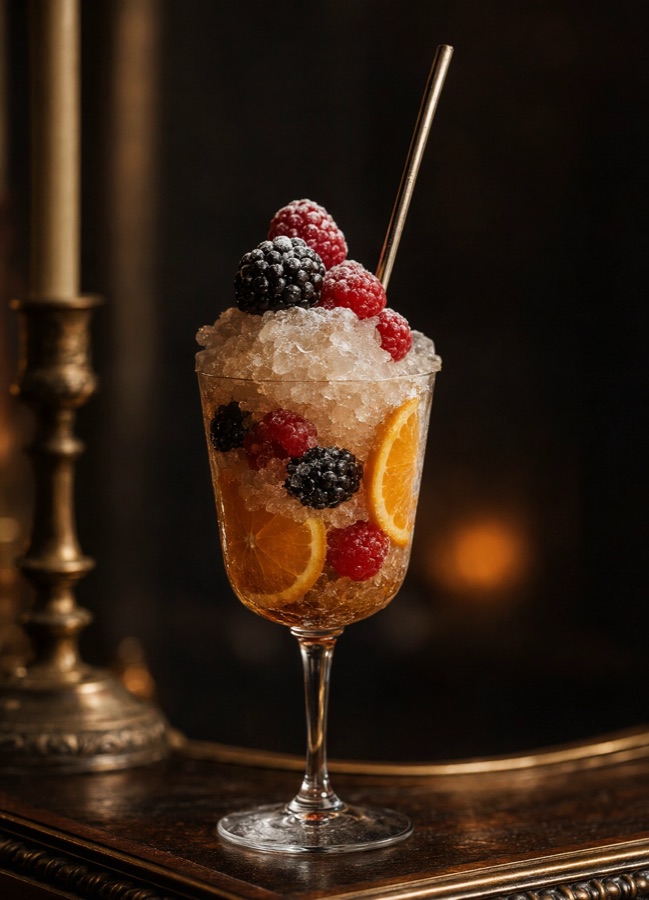
The Cobbler Family Deconstructed: The 19th-Century National Drink Built on Crushed Ice, Fruit and Sugar
The Cobbler Family Deconstructed: The 19th-Century National Drink Built on Crushed Ice, Fruit and Sugar
On the family tree of cocktails, the Cobbler is the branch that tends to be skipped, yet it genuinely ruled American bar lists for half a century. In the mid-to-late 19th century, from New Orleans to New York, the most-ordered drink was not the Old Fashioned but this mound of crushed ice crowned with fruit. It inherited the sharing-bowl tradition of Punch, and pointed forward to the crushed-ice families of the Julep and the Swizzle — a key link in the evolution of American mixing, and one of the fastest-returning classic forms in today's low-ABV revival.
What Is a Cobbler: From the Punch Bowl to a Single Glass
The Cobbler's structural ancestor is Punch: spirits, sugar, citrus and water. The difference is scale and service — Punch serves a table, while the Cobbler compresses the same logic into one glass. The earliest Cobblers were built on fortified wines such as sherry, port and Madeira, which is where their low-proof, fruity, everyday-drinkable DNA comes from. It is sweeter than a Sour, fruitier than a Julep, more personal than a Punch: a Cobbler succeeds only when ice fineness, sugar measure and fruit freshness all come together.
Worth noting is its historical bond with the ice trade. From the 1830s onward, merchants led by Frederic Tudor shipped New England natural ice across the country and to the Caribbean, and city bars could finally stock ice year-round — the Cobbler was the direct beneficiary of this "ice freedom". Before it, Punch cooled slowly off large stored blocks; a single-serving iced sweet drink was nearly impossible to serve routinely. Without the ice trade, the Cobbler would never have become a national drink.
The Structural Formula: Base + Crushed Ice + Sugar + Seasonal Fruit
Every orthodox Cobbler follows one formula: 90–120 ml of base spirit, 1–2 teaspoons of sugar (or the equivalent in syrup), 2–3 slices of citrus or a handful of seasonal berries, finished with a mountain of crushed ice rising slightly above the rim and one wide straw. Sequence matters: sugar and fruit are first pressed lightly at the bottom of the glass to release juice and peel oils, then sealed under crushed ice; the base is poured over the ice and integrated by the ice's rapid melt. That 30–40% dilution is the physical secret behind the Cobbler's paradox of "light yet full, sweet yet never cloying".
Family Members: Sherry, Champagne, Whiskey and Port
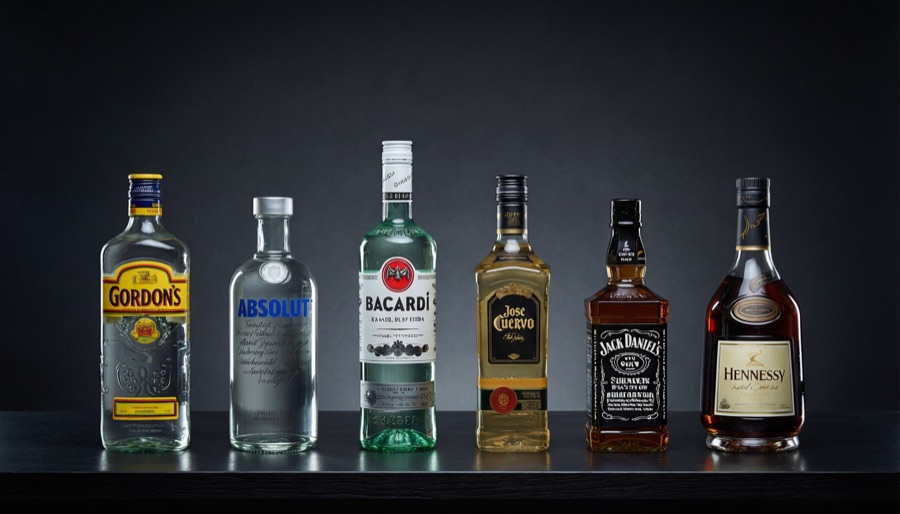
The Sherry Cobbler is the eldest child: about 90 ml of fino or oloroso with two or three orange slices and a teaspoon of sugar — a national-drink-level classic of the 19th century, written into Dickens's fiction. The Champagne Cobbler drowns crushed ice and sugared fruit in sparkling wine, a cooling showpiece at parties. The Whiskey Cobbler builds on bourbon with pineapple or peach, leaning tropical and summery; the Port Cobbler pairs ruby port with blackberries and orange for a rounder body and darker fruit. The base rotates; the formula holds — which is why the Cobbler exists as a form rather than a single recipe.
Crushed Ice Is the Star: Tools and Craft
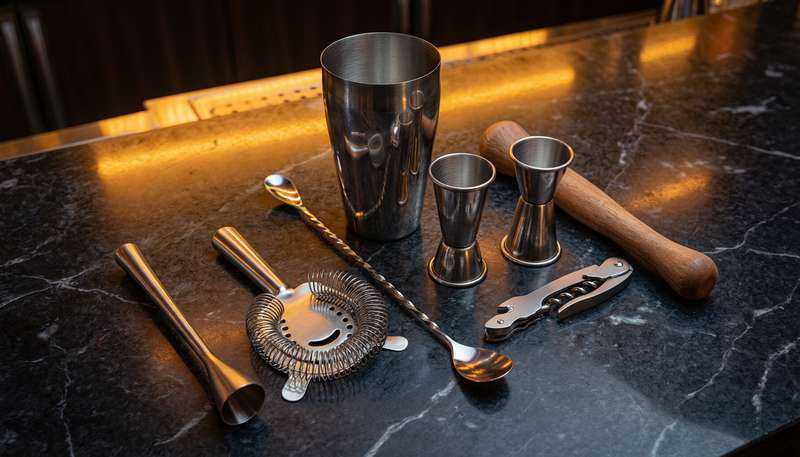
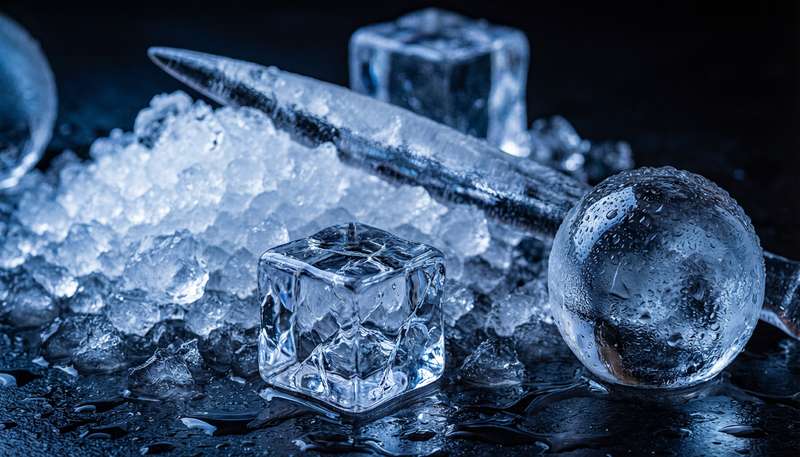
Seven tenths of a Cobbler's fate is decided by its ice. The ice must be crushed, not melting: the standard method is a Lewis bag and mallet, or a plane shaver producing snow-like crushed ice, made fresh and drained of melt water before mounding. Without a Lewis bag, wrapping cubes in a clean thick towel and crushing them with a rolling pin works too — the key is a mix of coarse and fine particles, since overly coarse ice under-dilutes and overly fine ice quickly turns to water. The straw is not decoration — 19th-century metal straws spread precisely so drinkers could reach the wine beneath the ice; today a wide paper or metal straw does the same job. Proper service condition: a glass frosted white, the ice mountain barely settling, the straw standing straight.
Common Mistakes and the Modern Revival
Four mistakes recur: substituting large cubes for crushed ice, which wrecks both dilution rate and cooling speed; cutting fruit too thick to release flavor; sprinkling sugar on the ice instead of dissolving it at the bottom, leaving alternating sweet and sour sips; and mounding too little ice, so the drink never gets cold enough. On the revival side, the low-ABV movement has returned sherry- and vermouth-based Cobblers to serious lists — the dried-fruit and nut tones of fortified wine sit naturally against the cold, clean sweetness of crushed ice. The national drink of the 19th century is becoming the daytime pour of a new one.
More tips
360 cocktail recipes, one tap away
Browse by base spirit, flavor and strength. Save your favorites.
Open MixMyth