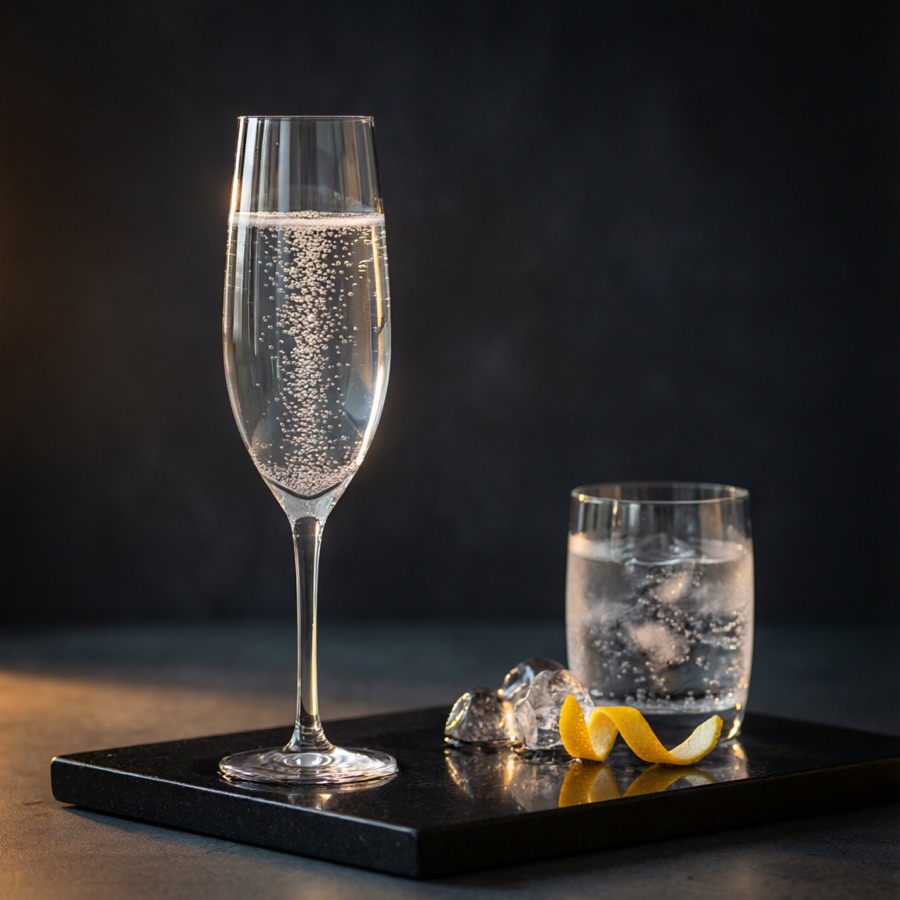
Carbonation and Bubble Control: A Complete Guide to CO2 Solubility, Temperature and Sparkling Wine in Cocktails
Carbonation and Bubble Control: A Complete Guide to CO2 Solubility, Temperature and Sparkling Wine in Cocktails
In a sparkling cocktail, success or failure usually lies not in the recipe but in the bubbles. The same champagne, the same soda water: in one hand it pours as a fine rising chain of pearls, in another as a flat, sugary disappointment. The difference is understanding and controlling carbon dioxide. Carbonation is not simply 'top it with soda at the end'; it is a physical discipline of temperature, pressure, surface area and time. Master that discipline and you can produce bar-grade sparkling drinks at home.
1. The physics of CO2 solubility: temperature, pressure and time
A bubble is carbon dioxide dissolved in liquid. Gas solubility in a liquid rises as temperature falls and as pressure rises - which is why an iced champagne pours with more vigour than a warm one, and why, once a bottle is opened and the pressure released, the gas begins to escape. For bartending there are three levers you can actually pull. First, temperature: the colder the liquid, the more gas it holds and the slower it escapes. Second, agitation: any shaking, stirring or impact supplies nucleation sites that let gas come out early. Third, surface area: the wider the liquid surface and the harder the pour, the faster the gas runs. Professional bars keep sparkling wine at four to seven degrees Celsius at all times and use it quickly once opened - precisely control over these three variables. Understand this and you see why ice is the first insurance policy for bubbles.
2. Three sources of bubbles: sparkling wine, pre-carbonated mixers and live carbonation
Carbonation in cocktails comes from roughly three paths. The first is bottle-fermented sparkling wine - champagne, prosecco, cava - whose bubbles are fine and long-lived and carry their own acidity and yeast character; they are the soul of a French 75 or a Bellini. The second is pre-carbonated water, soda and tonic, whose bubbles are coarse and short-lived, contributing mainly mouthfeel and dilution; they suit highballs and gin and tonics. The third is live carbonation, charging still water or a pre-batched base directly from a CO2 cylinder or a home sparkling machine, which lets you set the gas level precisely and is how advanced bars build fully carbonated cocktails. The three paths differ in gas volume and bubble size, and that decides their role in a recipe: sparkling wine is the flavour body, soda is the textural carrier, live carbonation turns the whole drink into a single effervescent unit. Choose the wrong source and the bubbles fight the body of the drink.
3. Operating discipline for keeping bubbles: temperature, pouring and stirring
Keeping bubbles alive is a matter of operating discipline. First, chill every sparkling element and every glass; a warm glass is the number-one bubble killer. Second, never shake or stir sparkling wine - add it last, slowly, down the side of the glass or over the back of a bar spoon, letting the liquid run along the glass to minimise impact and nucleation. Third, add the denser components first and the sparkling element last, so the drink is never churned. Fourth, never cap, re-shake or violently stir a finished sparkling drink with crushed ice; the sharp edges of crushed ice supply a mass of nucleation sites. Fifth, serve immediately - the life of a bubble is measured in minutes. Turn these actions into habit and the same bottle of champagne will 'live' twice as long in your hands as in anyone else's.
4. Common mistakes: shaking sparkling wine, warm glasses and over-stirring
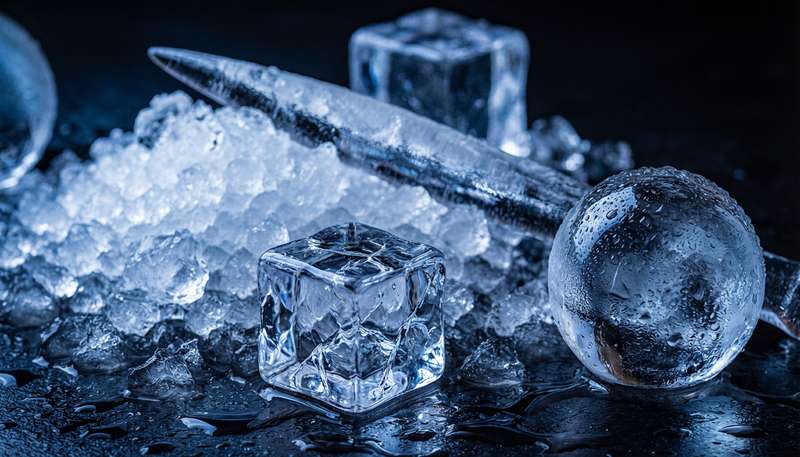
The most common accident is putting sparkling wine into a cocktail shaker - pressure builds in the sealed tin and erupts the moment you open it, wasteful and dangerous. Next is a warm glass or warm soda, which lets most of the gas escape before the drink reaches the mouth. Third is over-stirring: when a sparkling drink needs marrying, rely on pour order and a gentle fold, not a furious bar spoon. Fourth is misusing crushed ice: crushed ice suits Tiki drinks that need rapid chilling, but it accelerates bubble loss; sparkling drinks want large, dense ice or none at all. Fifth is opening the bottle too early: once opened, a sparkling wine's gas content falls off a cliff with time, so open and use is the baseline. Recognise these five traps and most bubble problems are already solved.
5. Writing carbonation into the recipe's structure
A mature recipe treats carbonation as a structural element, not a garnish. To decide whether a drink should sparkle, first ask whether it needs lifting: a drink that is high in acid and heavy in body is raised and lightened by bubbles, while a drink that is already delicate and silky is damaged by forcing gas into it. Then fix the source and the proportion: where sparkling wine is the body, bubbles make up more than half the volume; where soda is only a finishing note, add just the final thread. Finally, write temperature and order into the steps so carbonation becomes a reproducible parameter. Once you can state where a drink's gas comes from, how much there is and how it is kept, carbonation stops being mysticism and becomes the fifth dimension of your recipe language, standing beside sour, sweet and bitter.
More tips
274 cocktail recipes, one tap away
Browse by base spirit, flavor and strength. Save your favorites.
Open MixMyth