Barrel-Aged Cocktails: A Complete Guide to Time, Wood & Oxidation
Barrel-Aged Cocktails: A Complete Guide to Time, Wood & Oxidation
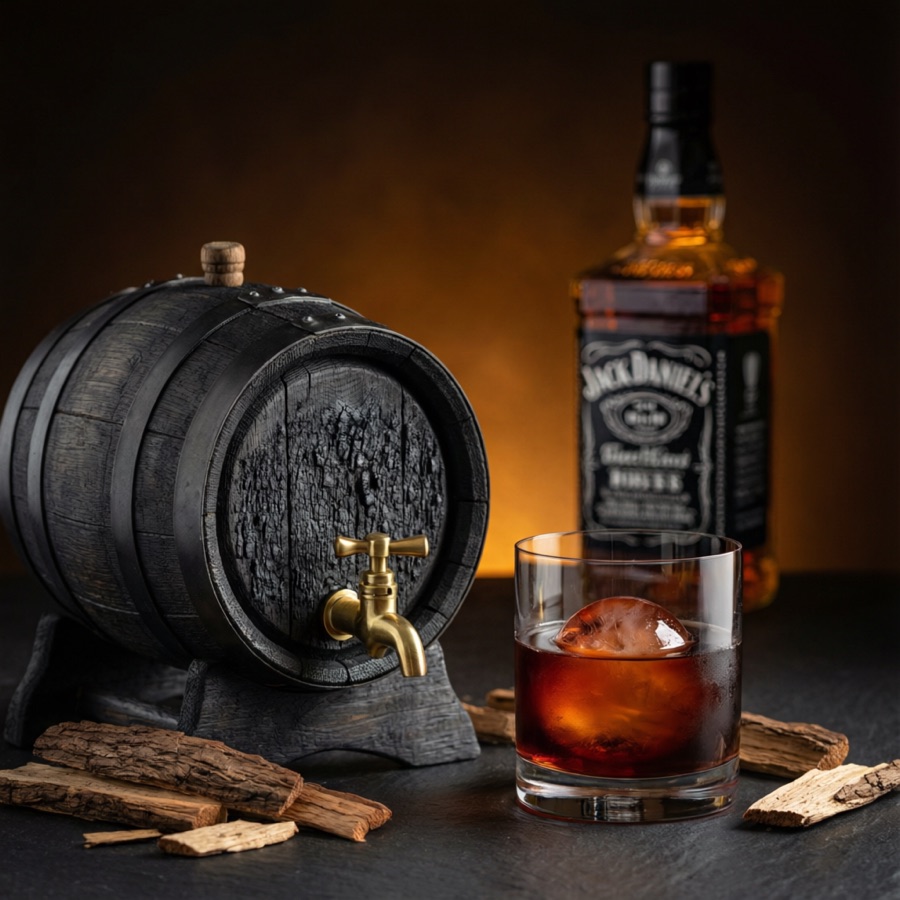
Barrel-aged cocktails are among the most recognizable techniques of the craft cocktail revival: a pre-batched drink is poured whole into an oak cask and left for weeks, letting wood, oxygen and time transform its flavor. It is not a gimmick but a craft with clear parameter boundaries. Understanding the chemistry and the operating logic is what separates a beautifully rounded pour from a barrel of woody water.
The Science of Aging: Oxidation, Extraction & Esterification
Three reactions run in parallel inside the cask. First, extraction: hemicellulose breakdown products such as vanillin, lignin derivatives like eugenol and guaiacol, and toast-derived caramelization compounds dissolve into the spirit, lending vanilla, smoke and caramel notes. Second, oxidation: trace oxygen seeps through the staves, converting aldehydes to acids and acids plus alcohols to esters, softening the raw alcohol edge. Third, molecular association: water and ethanol rearrange over a long rest, smoothing the mouthfeel. Their speeds differ - extraction peaks in the first two weeks, oxidation runs the whole time, and esterification needs months. That is why short cask rests of two to six weeks taste of wood, while rests of three months or more reveal true ester aromatics and roundness.
Wood & Cask Format: How Parameters Shape Flavor
Cask choice sets the flavor skeleton. New charred oak is high in tannin and vanillin, suited to robust recipes; used bourbon or sherry casks contribute residual flavors of their previous contents for extra complexity. Char level drives caramelization depth: heavy char gives smoke, light char keeps more woody freshness. On format, the one-to-five liter casks common at home have a huge surface-to-volume ratio and extract far faster than commercial 200-liter barrels - two weeks in a five-liter cask roughly equals months in a large one, so shorten the time and taste often. Reaction rates double per ten degrees Celsius of warmth, so halve your timeline in summer.
Recipe Suitability: Which Cocktails Improve with Age
Not every cocktail belongs in a barrel. Spirit-forward recipes thrive: the Manhattan, Negroni, Sazerac and Old Fashioned contain no juice or dairy, so their low acidity and high proof carry wood extraction without losing balance. Sours with citrus juice develop unpleasant oxidized notes in cask, and dairy or egg white will spoil - never barrel these. A practical test: if the recipe contains fresh juice, cream or egg white, skip the barrel; if it is all spirits, liqueurs and bitters, proceed. The barrel-aged Negroni is the acknowledged safest success, its gin botanicals and Campari bittersweet fusing into remarkable roundness.
Home Bottle-Aging: Barrel-Free Alternatives
You can approximate barrel aging without a cask. The simplest route is bottle-aging with oak chips: batch the cocktail into a glass bottle, add food-grade medium-toast oak chips at about two to four grams per liter, seal and rest for one to three weeks, tasting weekly, then filter the chips out to stop extraction. Chips are more controllable than a barrel because you can remove them at will. The advanced route is cask-resting a single base spirit: barrel only one component such as rye whiskey, then build the cocktail afterward for precise flavor. Whichever route you take, log the start date, oak weight and every tasting note - records are what make success repeatable.
Common Pitfalls & A Working Checklist
The most frequent error is over-aging: small casks extract fast, and one extra week can slide a drink from rounded to astringent wood-water, so judge by tasting, not by calendar. Second is ignoring dilution: casks add no water, so pre-dilute to drinking strength of roughly thirty to thirty-five percent ABV before filling, or post-barrel watering will wash out the wood character. Third is hygiene: rinse the cask with high-proof spirit before each fill to prevent spoilage. Working checklist: pick a spirit-forward recipe, pre-dilute and fill, taste weekly, draw off at target, seal in glass, and enjoy within two weeks for peak flavor. Barrel aging is not mysticism; it is quantifiable time management.
More tips
274 cocktail recipes, one tap away
Browse by base spirit, flavor and strength. Save your favorites.
Open MixMyth